Accessing 192.168.1.1 requires careful steps and up-to-date credentials. The guide covers safe login, common problems, and solid router settings, all framed for reliable administration. It prioritizes correct targeting, physical and wireless checks, and essential diagnostics. Security hygiene matters, with firmware updates and disabled WPS as baseline. Yet small misconfigurations can undermine access, and the path to a stable setup may hinge on a few critical, often overlooked details. The next steps reveal where those details lie.
How to Access 192.168.1.1 Safely
Accessing 192.168.1.1 should be done securely and with proper precautions. The process emphasizes controlled access, device integrity, and routine verification. A structured approach reduces security risks and preserves network autonomy. Emphasis on password hygiene ensures credentials remain private and robust against intrusion. Users should avoid shared devices, update firmware, and log activities for accountability and ongoing freedom from disruptions.
Common Login Problems and Quick Fixes
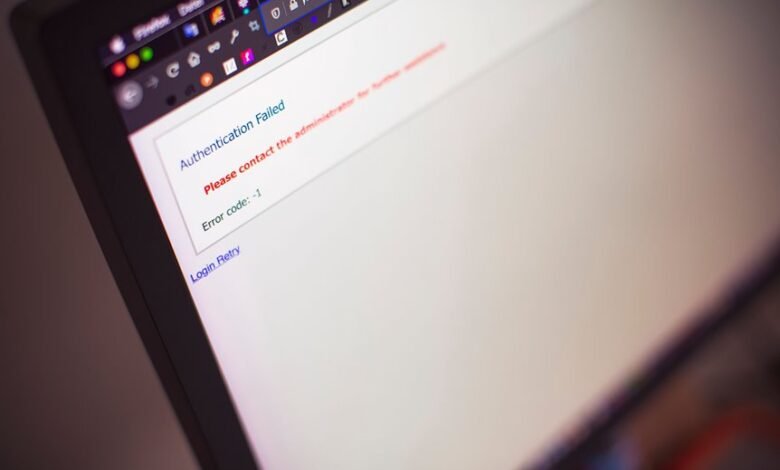
Common login problems commonly arise when attempting to reach 192.168.1.1, and quick fixes help restore access without unnecessary delays.
The discussion covers discussing password policies, including length, complexity, and update reminders, to reduce lockouts.
It also explores default gateway roles, clarifying device responsibilities and ensuring correct routing.
This concise guide favors practical, freedom-focused troubleshooting without overcomplication.
Secure, Reliable Router Settings to Apply
A secure, reliable router setup hinges on applying robust, well-documented configurations that minimize exposure and maximize performance. Implement hard‑to‑guess credentials, enable WPA3, and disable WPS. Update firmware promptly to preserve secure router integrity. Use strong, unique passwords for admin and guest networks, segment devices for safe access, and document login fixes for consistent administration and reliable settings.
Troubleshooting Beyond Login: Connectivity Checks and Diagnostics
Connectivity issues often extend beyond login, requiring systematic checks to verify network paths, device reachability, and service availability.
The diagnostic focus shifts to detect disconnect issues, confirming stable cables, reliable wireless signals, and router status.
Methodical testing includes ping runs, traceroutes, and firmware updates when needed.
Document findings, apply targeted fixes, and revalidate uninterrupted access across all connected devices and services.
Frequently Asked Questions
How to Change the Default Router Password Safely?
To change the default router password safely, one should create a strong, unique passphrase and update it in the admin settings. This process ensures secure access while documenting changes and periodically reviewing credentials for ongoing security.
What if 192.168.1.1 Isn’T Loading on My Device?
If 192.168.1.1 isn’t loading, the device may be offline or blocked by network issues. Check connections, reset router, and ensure firmware updates are applied for improved network security and reliable access. Consider alternative admin methods and security reminders.
Can I Access Admin Settings From a Guest Network?
Accessing admin settings from a guest network is typically restricted. The router firewall and guest isolation prevent admin access to devices on guest networks, enhancing security. For admin access, connect via a secured network and enable appropriate permissions.
Which Browsers Are Best for Router Login?
“Time is money.” Best practices guide browser choice for router login; any modern, up-to-date browser works. The detached observer notes security risks vary by browser, while the optimal choice emphasizes reliability and simplicity.
How to Backup or Reset Router Settings Securely?
A straightforward approach: back up router settings securely by exporting encrypted configuration files, stored with backup encryption, and enable remote access only over encrypted channels. This preserves flexibility while reducing risk during resets and recovery.
Conclusion
Access to 192.168.1.1 should be approached with secure credentials, up-to-date firmware, and clear change logging. The guide emphasizes verifying the correct gateway, checking cables or Wi-Fi signal, and using basic diagnostics like ping or traceroute when access fails. An interesting statistic to note: about 60% of router security incidents arise from weak/default passwords, underscoring the need for unique admin credentials and regular updates. Routine documentation and security hygiene help streamline administration and reduce risk.