Accessing the 168.178.26 router login is a foundational step in securing a home network. The procedure requires a verified connection, correct IP entry, and valid admin credentials. This guide outlines safe access, common problems, and practical tweaks to strengthen protection and performance. While the steps are straightforward, consistent enforcement of updates and authentication practices is essential. A disciplined approach will reveal only what matters for stability, prompting further checks as issues emerge.
What Is the 168.178.26 Router Login and Why It Matters
The 168.178.26 router login is the access point for configuring a local network device. It establishes the interface through which users control settings, security, and connectivity.
Understanding login basics clarifies access requirements and potential risks. This knowledge also highlights ISP compatibility, ensuring firmware and hardware align with service provisions and avoiding compatibility gaps that hinder network performance and reliability.
Step-by-Step: Access the Admin Panel Safely
To access the admin panel safely, follow a structured sequence that begins with confirming the device’s IP address and ensuring a trusted connection, such as a wired Ethernet link or a secured, private wireless network.
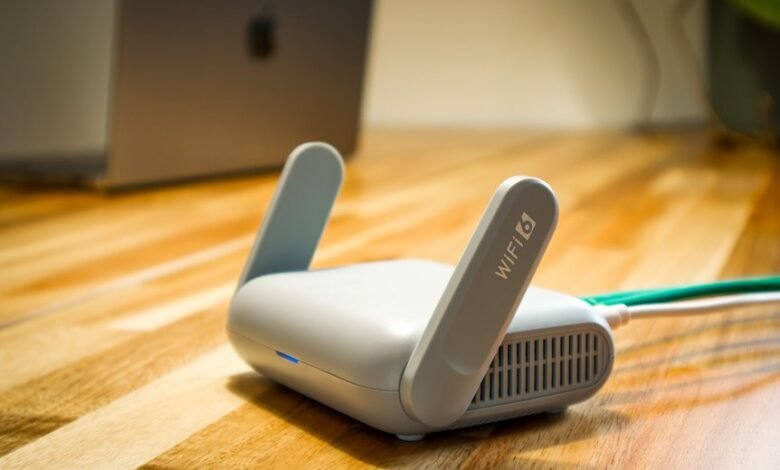
A tiny gadget demands careful authentication, updates, and firmware update discipline, maintaining control while preserving autonomy and security without exposing credentials or unnecessary services.
Troubleshoot Common Login Issues and Credential Security
Effective troubleshooting of router login begins with identifying common failure points—incorrect credentials, misconfigured access pages, or blocked login attempts—and then applying targeted, repeatable checks. The process remains disciplined: verify credentials, confirm URL correctness, clear browser cache, reset sessions, and review security logs. Avoid unrelated topic distractions, off topic dialogue, and maintain focus on credential security and practical remediation.
Tweak Key Settings for a Stronger, Smoother Home Network
Smart tuning of wireless keys and security parameters can yield a noticeably steadier, faster home network when approached methodically.
The discussion centers on precise credential handling, robust encryption, and targeted parameter adjustments.
Tweak settings to strengthen WPA2/WPA3 configurations, assign unique passphrases, and disable unused services.
This supports network optimization, maintaining stability while empowering users with controlled, reliable access and freedom to customize.
Frequently Asked Questions
What if I Forgot the Router’s Admin Username?
Forgotten admin usernames can be recovered by consulting documentation and device labels, then using the router’s recovery options. Systematic steps include username recovery prompts, firmware updates for security, and DNS security checks to prevent unauthorized access.
Can I Reset the Admin Password Remotely?
Unable to remotely reset the admin password; remote reset is not supported by standard consumer routers. Instead, physical access to the device is required to perform a factory reset, or use the vendor’s recovered-password process for admin password.
Is 168.178.26 Used by Multiple Brands?
Yes, 168.178.26 is used across multiple brands, though compatibility varies. Brand compatibility matters; default DNS risks loom when misconfigured, potentially exposing devices. The reviewer notes standardized addressing can mislead, demanding careful verification despite a shared numeric footprint.
How Often Should I Update Firmware Automatically?
An update cadence should balance risk and practicality; auto update benefits include timely security patches, while update frequency should be moderate to avoid outages. Consider enabling updates with minimum disruption, assessing security implications and user autonomy for informed prioritization.
Are There Risks Using Default DNS Settings?
Studies show 65% of users ignore DNS warnings. Are there risks using default dns settings? Yes: DNS hijacking, firmware risks; Password exposure, remote reset risks. Default configurations reveal attacker exposure, compromise security, and erode user autonomy and trust.
Conclusion
Maintaining router security is a disciplined, methodical process: verify the device IP, connect securely, and log in with strong, unique credentials. Regularly update firmware, disable unused services, and enforce WPA2/WPA3 encryption to safeguard traffic. If issues arise, recheck the URL, clear caches, and review logs for anomalies. For example, a small business faded out of routine updates faced repeated intrusions until a scheduled firmware refresh and credential rotation were implemented—restoring network integrity and user confidence.