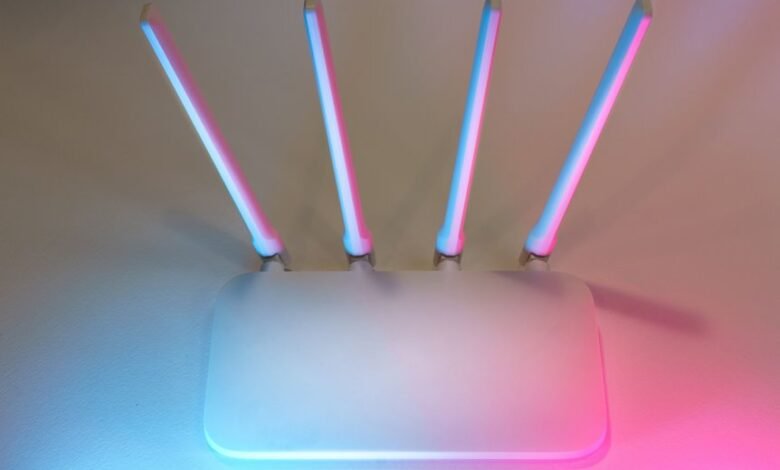
Identifying the correct 168.100.15 router login page requires careful verification of documentation, device labels, or reliable network scans. Once located, the login must be secured with unique admin credentials and a non-default page session. The process hinges on strict authentication, minimal remote exposure, and robust auditing. With firmware integrity and centralized logging in place, administrators can monitor access and changes. The stakes are high enough to warrant caution and a clear plan for next steps.
How to Identify the 168.100.15 Router IP and Access Page
Determining the correct router IP address is essential for accessing the device’s login page. The process hinges on identifying IPs through documentation, label metadata, and network scans, then confirming the address via a browser.
Users should approach accessing pages with caution, applying admin best practices; securing credentials and maintaining privacy ensures freedom while preventing unauthorized access and safeguarding network integrity.
Step-by-Step Login Process and Common Credential Pitfalls
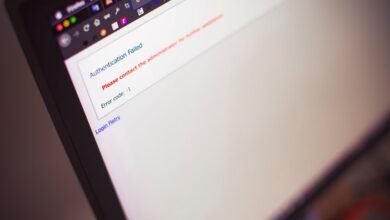
Access involves a straightforward sequence: navigate to the router’s login page using the identified IP, enter the administrative credentials, and verify the session.
The process highlights cautious best practices: use unique passwords, avoid default or shared accounts, and monitor for prompts.
Be mindful of obsolete hardware and questionable firmware that may expose vulnerabilities or require updates for safe access.
Locking Down Admin Access: Secure Settings and Best Practices
Locking down admin access begins with enforcing strong authentication and limiting exposure to the router’s management interface. The approach emphasizes secure defaults, minimal remote exposure, and disciplined access control. Implement audit trails to record administrative actions, verify firmware integrity, and monitor for anomalies. Clear configuration baselines reduce risk while preserving user freedom to manage networks confidently and securely.
Ongoing Security: Firmware Updates, Monitoring, and Troubleshooting
Ongoing security for router management centers on maintaining trusted software, continuous visibility, and rapid problem resolution. The approach emphasizes security auditing and proactive monitoring to detect anomalies, verify firmware integrity, and verify configuration drift. Regular, authenticated firmware updates reduce risk, while centralized logging aids troubleshooting. Clear governance supports freedom while preserving resilience, privacy, and predictable, transparent responses to incidents.
Frequently Asked Questions
Can I Access the 168.100.15 Router From a Mobile Device?
A mobile device can access the router if the hardware supports mobile access and the feature is enabled; ensure secure login. The answer considers router compatibility, and safeguards user freedom while avoiding risky defaults.
What if the Default Credentials Don’T Work?
When default credentials fail, a cautious approach applies: a factory reset may be necessary, then reconfigure securely. The anecdote: a locked door that opened after restoring the lock; data points emphasize safety and control.
How Do I Reset the Router to Factory Settings?
To reset the router to factory settings, press and hold the reset button briefly, then reconfigure. It is prudent to back up settings, apply a firmware update, and review routes before reconnecting for secure, freedom-oriented operation.
Are There Guest Network Limits for 168.100.15?
Guest network limits exist on 168.100.15, though specifics vary by firmware. The model enforces bandwidth limits, security settings, and device compatibility constraints, balancing freedom with protection to ensure secure, reliable guest access.
Can I Change the Router’s Admin URL Path?
Changing the router’s admin URL path is largely unsupported; the device typically relies on default paths. Still, one notes risks. The guidance emphasizes changing firmware cautiously to prevent outages, and DNS tunneling concerns for security and freedom-minded administrators.
Conclusion
In summary, securing the 168.100.15 router begins with identifying the correct IP and accessing a protected admin page using strong, unique credentials. The login process should be monitored, with attention to credential hygiene and session security. Lock down access, disable unnecessary services, and enforce centralized logging for audits. Firmware should be kept current, and ongoing monitoring should flag anomalies. Will vigilant configuration and continuous protection prevent exploitation and safeguard network integrity?