
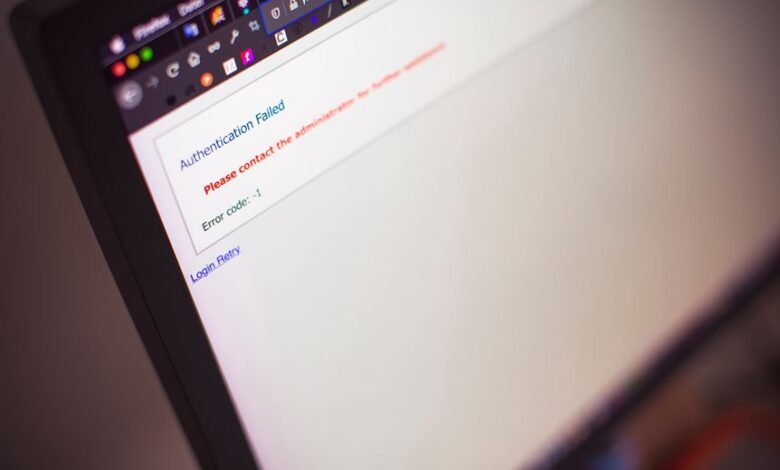
The 90.150.204 Login Troubleshooting Guide examines how authentication interacts with the security database and how sessions are established after verification. It outlines quick, actionable checks for common errors and maps issues to resets, timestamps, or credential updates. Connectivity, browser, and device problems are addressed with reliable configurations and secure recovery paths. The guide emphasizes minimizing friction while restoring access, but a complete, stepwise approach awaits further detail to resolve persistent blockers.
How 90.150.204 Login Works and What Can Go Wrong
The 90.150.204 login process authenticates a user by validating credentials against the system’s security database and establishing a session when verification succeeds.
The sequence emphasizes login mechanics: credential submission, server verification, and session initiation.
Potential issues include security pitfalls, connectivity issues, and device compatibility challenges, all addressed with clear steps.
The approach prioritizes freedom, efficiency, and practical, solution-focused resolution.
Quick Checks to Fix Common Authentication Errors
Common authentication errors often stem from simple, fixable causes, so a structured quick-check approach is effective.
The author presents a concise, methodical sequence: verify login flow steps, confirm user input accuracy, and note any error messages. If messages appear, map them to specific fixes, such as reset attempts, timestamp checks, or credential updates, restoring smooth access and freedom to proceed.
Troubleshooting Connectivity, Browser, and Device Issues
Connectivity, browser, and device issues can block access even after credentials are verified.
The guide outlines a methodical check: confirm networking basics, verify device compatibility, and test alternative browsers or networks.
Isolate problems with clear steps, document results, and apply focused fixes.
Prioritize reliable configurations, update firmware, and ensure permissions align with security policies for uninterrupted access.
Resetting Credentials and Recovering Access Without Frustration
What steps define a smooth reset of credentials and a frustration-free recovery process?
The guide outlines a calm, methodical approach: verify identity, initiate reset, follow secure prompts, and confirm access restoration.
Emphasize minimal friction by using trusted recovery channels, updating security questions, and testing login promptly.
Focus on resetting credentials and recovering access with clear, precise, self-directed actions.
Frequently Asked Questions
Can I Log in From a Compromised Device Safely?
It is not safe to log in from a compromised device. Mitigate risks by securing the device or using a trusted, separate environment. Involve session security practices: re-authenticate, invalidate sessions, and monitor for unusual activity.
How Do I Enable Two-Factor Authentication on This System?
Beginning boldly, the system supports enabling authentication via settings, enabling two-factor authentication and layered protections; follow prompts to enable authentication, enforce device encryption, and configure trusted devices. The method is concise, methodical, security-minded, and freedom-focused.
What Are the Impact of VPN Usage on Login?
VPN impact on login: It can alter authentication latency and IP-based access checks, while reinforcing privacy. Device safety logging remains crucial, capturing connection details; users benefit from transparency and control, enabling informed choices about when and where to access resources.
Do I Need a Specific Browser Extension for Access?
One in four users face access failures due to missing tools. A specific browser extension is not universally required; rather, access requirements depend on the system. The approach is to verify permissions and install only approved extensions.
How Often Are Login Session Tokens Refreshed Automatically?
The token refresh cadence is configurable within the session timeout management framework, typically renewing tokens before expiration. In practice, automatic refresh occurs at regular intervals, balancing security with usability to preserve user freedom and uninterrupted access.
Conclusion
In conclusion, careful credential checks create calm, consistent access. Systematic steps streamline security, signaling solid success. Start with status verification, then sign-in specifics, spotting subtle snippets of error. Confirm connectivity, browser brave basics, device dependability, and trusted recovery channels. Reset rigorously, restore access, and record results. While mistakes may materialize, methodical maneuvers minimize disruptions, maximize reliability, and maintain smooth security. Prudent preparation and persistent patience promote problem-free participation, producing painless, predictable, practical connectivity for all users.