
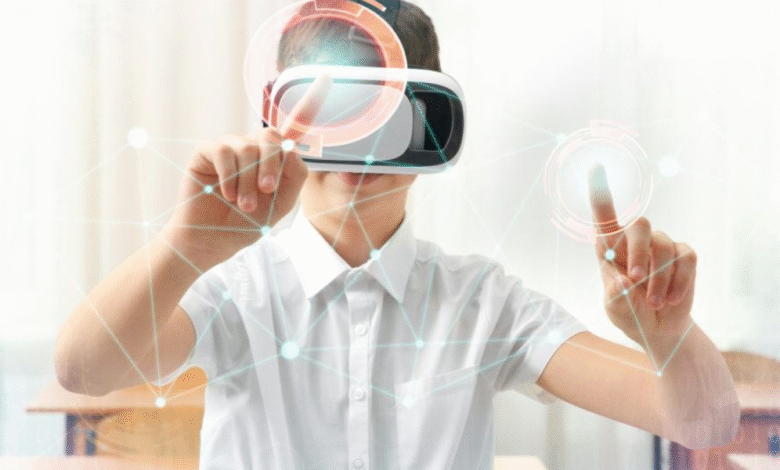
The evolution of learning technologies is poised to redefine education as we know it. Artificial intelligence stands at the forefront, tailoring experiences to individual needs. Meanwhile, virtual reality opens doors to immersive learning environments, enhancing comprehension. Collaborative platforms foster engagement and creativity, paving the way for peer-driven education. These innovations suggest a shift towards a more inclusive and effective learning landscape. What implications might this have for future generations of learners?
The Role of Artificial Intelligence in Personalizing Learning
As educational environments evolve, the integration of artificial intelligence (AI) emerges as a transformative force in personalizing learning experiences.
By employing adaptive algorithms, AI tailors educational content to individual needs, ensuring that each learner receives individualized feedback.
This innovative approach not only enhances engagement but also empowers students to take control of their learning journeys, fostering a sense of autonomy and freedom in education.
Immersive Experiences Through Virtual Reality
Transforming traditional educational paradigms, virtual reality (VR) offers immersive experiences that engage learners in unprecedented ways.
Within virtual classrooms, students encounter a rich tapestry of sensory engagement, enabling deeper understanding and retention.
This innovative technology transcends geographical barriers, allowing learners to explore complex concepts in interactive environments.
As VR evolves, it promises to redefine the boundaries of education, fostering creativity and liberation in learning.
Interactive Platforms and Collaborative Learning Environments
Although traditional educational methods have long relied on passive learning, the emergence of interactive platforms has revolutionized the way students engage with content and collaborate with peers.
These environments foster gamified learning experiences, encouraging creativity and exploration.
Conclusion
In conclusion, the future of learning technologies heralds a dynamic evolution that transcends traditional educational models. While some may argue that reliance on technology could diminish the role of educators, it is essential to recognize that these tools will enhance teaching capabilities rather than replace them. By fostering personalized, immersive, and collaborative learning environments, educational technology will empower both learners and instructors, ultimately cultivating a richer, more inclusive educational experience that adapts to the needs of all participants.