
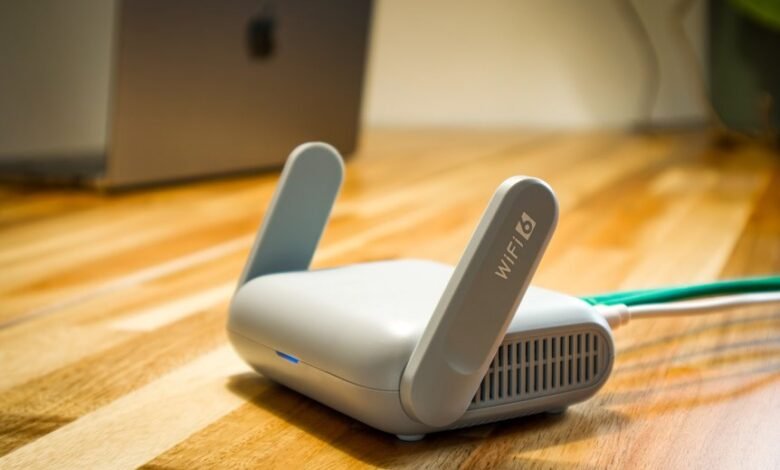
The 168.2.1 router functions as the boundary for the local network, making secure admin access essential. The guide outlines locating the login page via IP or hostname and using a supported browser. It emphasizes creating strong first-time credentials and disabling defaults. Post-login steps cover firmware updates, Wi‑Fi configuration, and basic security checks. Practical, concise steps lead to a hardened setup, but expectations hinge on implementing each safeguard effectively. The next section clarifies exact URLs and credential strategies.
What Is the 168.2.1 Router and Why Login Matters
The 168.2.1 router refers to a specific gateway model used to route network traffic within a local area network. It functions as a boundary device, shaping access and performance.
In this context, the login serves as a doorway to configuration. An unrelated network or cryptic login can obstruct management, underscoring the need for secure, purposeful authentication.
How to Access the Default Login Page: IP, URL, and the Right Browser Steps
To manage the 168.2.1 router effectively, users must begin at the default login page. Access involves entering the device IP or hostname in a trusted URL, yielding a secure login prompt. Maintain accessURL familiarity by confirming network reachability.
Perform browsercompatibility steps: disable privacy extensions, ensure TLS, and use updated browsers for consistent, frustration-free authentication.
Clear Login Credentials and First‑Time Setup Tips for Secure Access
Clear login credentials are essential at first access to prevent unauthorized use. The guide outlines immediate steps: create unique admin credentials, disable default accounts, and enable strong password policies.
For data privacy, apply device- and user-specific access controls, log attempts, and enforce session timeouts.
For guest networking, isolate guests, limit bandwidth, and segregate networks to maintain secure, freedom-driven access.
Post‑Login Essentials: Update Firmware, Configure Wi‑Fi, and Basic Security Checks
After logging in, administrators should immediately address firmware status, wireless configuration, and fundamental security checks to ensure a stable and protected router environment.
The process centers on a firmware update cadence, verifies network SSIDs, channels, and passwords, and conducts security checks for open ports, default credentials, and firewall rules.
This disciplined approach preserves performance, resilience, and freedom from compromise.
Frequently Asked Questions
How to Recover a Forgotten 168.2.1 Router Password?
A forgotten password on the router can be resolved via factory reset and reconfiguration. This router recovery process restores default credentials, allowing secure access, then prompts user to reestablish settings. The method emphasizes careful data backup and documentation.
Can I Login From a Mobile Device or Tablet?
Yes, mobile access is possible and tablet compatibility is supported; the device can be reached via a browser or dedicated app. The router’s interface remains accessible from mobile devices, with responsive design and secure login options.
Is There a Guest Network Login Option?
Yes, a guest network option exists on many routers. It isolates guest traffic to protect router security, though configurations vary by model. The user should enable the feature, set a strong password, and monitor access for secure, freedom-friendly use.
What to Do if the Login Page Times Out?
A striking 68% of users abandon sessions after timeouts; thus, timeout troubleshooting begins with verifying connection, clearing cache, and retrying on a different network. If persists, test DNS, disable VPN, and review page load issues and logs.
How to Reset Router to Factory Defaults Safely?
A factory reset restores defaults, performed via hardware button with sustained hold; post-reset, reconfigure credentials, update firmware, and apply security hardening. This enables autonomous control while preserving freedom to customize, though careful backup and documentation are advised.
Conclusion
In the end, the 168.2.1 router is your fortress, if only you remember the firewall isn’t a myth. The login ritual—IP dance, strong first-time credentials, and a firmware update—ensures the device behaves like a responsible guardian rather than a grudging gatekeeper. Yes, configuring Wi‑Fi and checking ports can be thrilling, especially when you can brag about “secure access.” Irony aside, diligent upkeep keeps networks sane, resilient, and suspiciously quiet.