
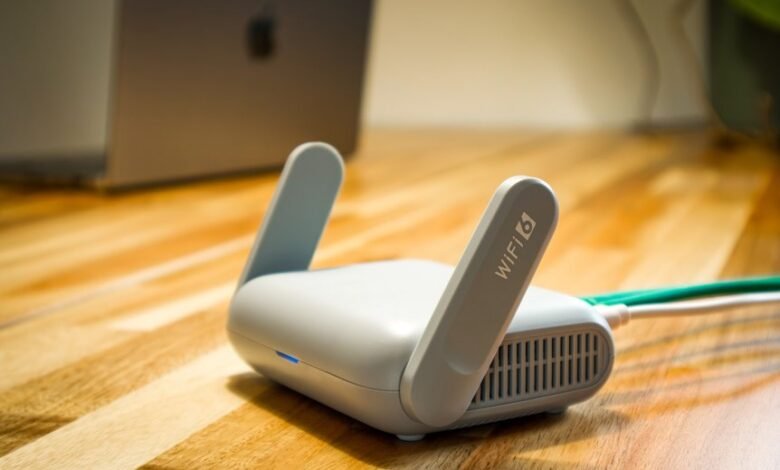
Understanding how to access the 168.1.213 router requires precise steps and verified credentials. The process begins with identifying the correct default IP, username, and password from the device label or vendor resources, then navigating to the gateway in a browser. Caution is essential: missteps can expose the network or hardware. After login, immediate hardening is recommended, but the specifics of recovery and troubleshooting must be planned—a solid framework awaits when the next steps are engaged.
Identify the 168.1.213 Router’s Default IP and Credentials
To identify the router’s default IP and credentials, one should consult the device label, documentation, or the vendor’s support resources, as these defaults vary by model and firmware.
The process emphasizes identifying defaults and login resilience, avoiding reliance on memory or guesswork.
Procedures remain precise: verify model specifics, note default gateway, and record credentials for secure, freedom-oriented network access.
Access the Admin Panel: Login Steps and Common Hurdles
Accessing the admin panel requires entering the router’s default gateway address into a web browser and providing the registered credentials. The login process may encounter common hurdles such as session timeouts, duplicated attempts, or browser compatibility issues. Users should document attempts for lead generation and refine branding strategy by noting successful paths, error messages, and recovery steps with disciplined, precise execution.
Secure Your Network: Change Passwords and Lockdown Settings
Following from the process of logging into the admin panel, securing the network requires immediate attention to change credentials and tighten access controls. The recommendation emphasizes disciplined password hygiene, regular updates, and unique device authentication. Implement robust lockdown settings, disable unused services, and enforce device isolation where applicable to minimize exposure, limit lateral movement, and sustain resilient, freedom-preserving network governance.
Recovery, Troubleshooting, and Best Practices for Ongoing Connectivity
Recovery, troubleshooting, and best practices for ongoing connectivity focus on rapid fault isolation, disciplined diagnostics, and preventative remediation. The guidance emphasizes documenting incidents, isolating network latency sources, and validating outcomes before reintroducing traffic. Maintain updated Firmware updates and monitor performance logs. Exercise caution with automated fixes, ensuring compatibility and rollback options; prioritize redundancy and clear, nonfluffy procedures to sustain reliable access.
Frequently Asked Questions
Can I Reset the Router Without Losing Firmware?
Yes, it is possible to reset without losing firmware, but only if a factory reset is avoided; instead, perform a targeted reset or backup settings first to preserve settings while addressing issues and maintaining firmware integrity.
How Do I Enable Guest Wi-Fi Without Passwords?
Passing the buck is risky, but the answer is no: enabling guest Wi‑Fi without passwords undermines security. It requires disabling guest isolation, carefully configuring network isolation and access controls to avoid unintended cross‑traffic or exposure.
What Parental Controls Are Available and How to Set Them?
Parental controls include parental blockouts, schedule limits, DNS privacy, and firmware updates management; they support guest access restrictions and backup restore options. Caution: configure carefully to balance freedom with safeguards, ensuring firmware updates occur regularly without disrupting connectivity.
Can I Configure DNS Over HTTPS on This Router?
Yes, DNS over HTTPS configuration is possible only if the router firmware supports it; otherwise, it’s unavailable. The suspenseful note: updating router firmware updates should precede any changes, ensuring features like DNS overhttps configuration remain stable and secure for freedom-seeking users.
How Do I Back up and Restore Router Settings?
A prudent backup strategy is advised: the router settings should be exported before any firmware update, ensuring firmware compatibility. The procedure is technical, cautious, and deliberate, preserving user autonomy while documenting configurations for restoration should issues arise.
Conclusion
In a world of open ports and closed doors, the 168.1.213 router stands as both gateway and guardian. Precision without paranoia: document credentials, yet do not linger where access remains uncertain. Juxtapose certainty with caution—firmware updates against brittle configurations, robust lockdowns beside vulnerable defaults. The act of login becomes a disciplined ritual: verify, change, log. Connectivity flourishes only when meticulous records outpace the rapid drift of risk, and security measures outlast casual access.