
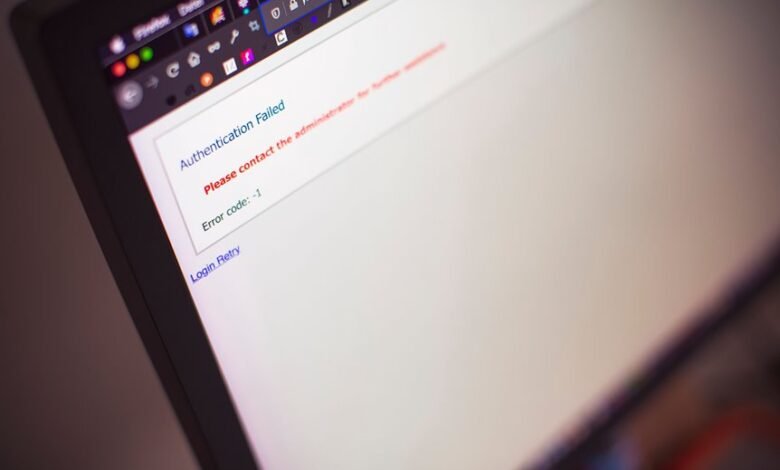
lp192.168.8.1 login errors arise from a mix of network, device, and credential issues. Incorrect usernames or passwords, mismatched firmware, browser support, or conflicting network devices can block access. Latency, firewalls, VPNs, or improper gateway reachability further disrupt sessions. The discussion will examine verification steps, quick fixes, and how to align firmware and network conditions to prevent repeats, leaving a path forward that invites closer inspection of each potential cause.
What Causes lp192.168.8.1 Login Errors
Common issues behind lp192.168.8.1 login errors typically stem from network configuration, device conflicts, or incorrect credentials.
The analysis notes how network latency can disrupt session establishment, while device compatibility determines whether certain firmware or browser features are supported.
External factors such as firewall rules or VPNs may also impede access, requiring verification of settings and supported hardware.
Quick Fixes to Get Logged In Again
Quick fixes to regain access focus on practical, low-effort steps that address common login stumbling blocks. The approach remains concise and detached, outlining actions such as password re-entry, reset prompts, and device reboots. It avoids unrelated topic tangents, off topic chatter, or irrelevant discussion, delivering targeted guidance for users seeking freedom through swift, non-fluffy resolution.
How to Verify Your Network and Device Settings
To verify access after initial troubleshooting, attention shifts to network and device settings.
Network diagnostics assess connection type, IP range, and gateway reachability, ensuring stable links.
Device compatibility checks confirm supported protocols and firmware alignment.
This disciplined review helps identify discrepancies, reduces friction, and preserves user autonomy while maintaining secure access.
Clear, concise steps empower informed, independent problem resolution.
When to Update Firmware and Resolve Conflicts
Firmware updates should be pursued when devices exhibit incompatibilities, security vulnerabilities, or degraded performance that current software cannot resolve.
The guidance emphasizes a disciplined update cadence to minimize disruption, yet preserve access to newer features.
When conflicts arise, prioritize compatibility issues and test changes methodically.
This approach preserves freedom for users while reducing risk during network-wide integrations and device refresh cycles.
Frequently Asked Questions
Can I Access lp192.168.8.1 From Mobile Data?
Yes, mobile data can access it if the router’s public-facing settings permit remote access; however, security risks apply. Mobile Data, Router Login protocols must be configured, including remote WAN access, port forwarding, and strong authentication.
Is There a Reset Button for the Router?
A single thunderclap of certainty: yes, there is usually a reset button, though its location varies. To maintain control, perform a firmware update afterward, ensuring settings are preserved or reconfigured as needed for optimal freedom.
Do I Need VPN to Reach the Login Page?
No, VPN access is not required to reach the login page; local network access suffices. The analysis notes that relying on VPN can impact mobile data reliability, whereas direct LAN or Wi‑Fi access preserves freedom and simplicity.
How Many Devices Can Log in Simultaneously?
Ironically, the system admits only a limited number of simultaneous logins. It varies by firmware, but generally, multiple devices prompt stability concerns. Network security and firmware updates influence capacity; administrators should plan concurrent access within those constraints.
What if the Login Page Shows a Blank Screen?
A blank screen during router login may indicate a browser issue, blocked scripts, or device connectivity. The page should load with a fresh browser, cleared cache, and proper network access to reach the router login interface.
Conclusion
Conclusion:
Login errors at lp192.168.8.1 arise from a mix of network, device, and credential issues, and a disciplined approach yields results. By verifying connectivity, ensuring correct credentials, and aligning firmware, users reduce friction and restore access. Quick fixes and deliberate checks prevent repeated faults. In short, solving the puzzle is like tuning an instrument: each component must be in harmony to produce a flawless, reliable connection.